Meet Mig
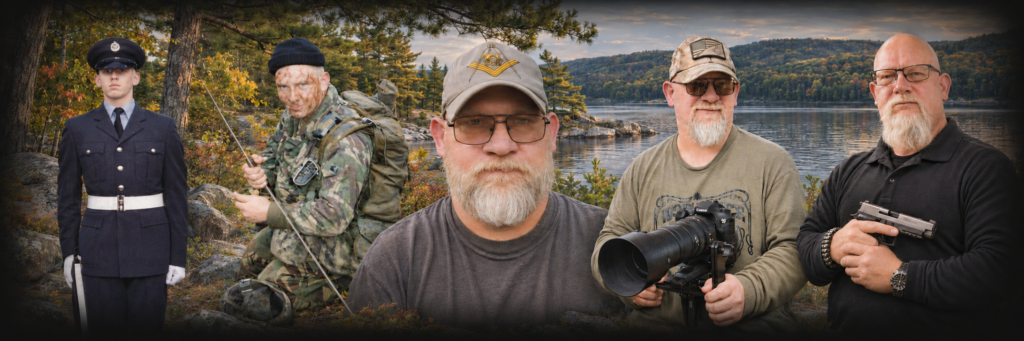
I’m Miguel “Mig” Denyer, founder of Great Lakes Fieldcraft. I’m a British Armed Forces veteran, a naturalized American, and a Michigan-based instructor with a background in protective services, outdoor skills, and more than two decades of firearms instruction.
My approach is straightforward: teach useful skills, explain why they matter, and help people build the confidence to apply them. Preparation starts with knowledge, sound judgment, and practice.
A Background Built on Experience
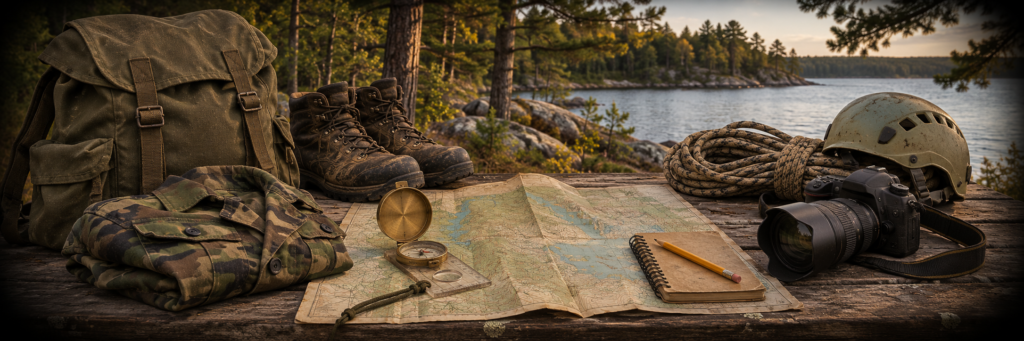
I served in the Royal Air Force from 1990 to 1998, initially in the RAF Police and later as an aircraft mechanic. Alongside my primary duties, I was a certified Joint Service Mountain Leader and a certified Joint Service Top Roping & Abseiling Supervisor. I also taught fieldcraft and survival skills to Air Cadets visiting the base where I was stationed.
My subsequent work included close protection, professional investigation, fugitive recovery, and threat management. I graduated from the Executive Protection Institute in 2004 and have been an NRA-certified firearms instructor since 2002. In 2009, I trained directly under Paul Castle and qualified as a Center Axis Relock (CAR) and IPD Systems instructor.
I’ve also been a hunter for more than 45 years. That experience has reinforced the importance of patience, observation, responsible firearms handling, and understanding the environment you’re moving through.
Through Captured Wilderness Photography, my wildlife and nature photography keeps me engaged with the outdoors from another perspective. Reading animal behaviour, noticing changes in light and weather, and paying attention to small details are as relevant to fieldcraft as they are to making a photograph.
Across these different disciplines, I’ve learned to value preparation, attention to detail, and the ability to make sound decisions when circumstances change. Those are the principles I bring to Great Lakes Fieldcraft.
What You Can Expect From Me:
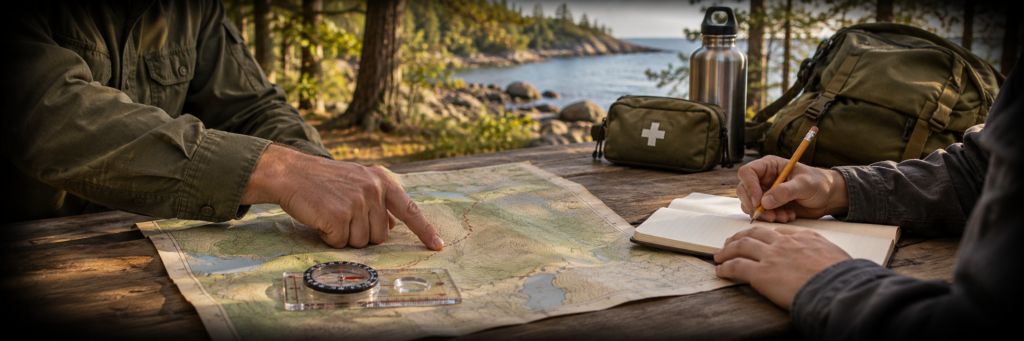
You can expect clear explanations, practical instruction, and an honest assessment of what a skill or piece of equipment can—and cannot—do. I’ll explain the reasoning behind what I teach and give you room to ask questions.
People arrive with different levels of experience, confidence, and physical ability. My aim is to help you build from where you are, with an emphasis on safe practice, achievable progress, and skills you can retain and use.
I also believe an instructor should recognize the limits of his own knowledge. Where a subject calls for specialist expertise, I’ll say so. Learning doesn’t stop when you become the person teaching.